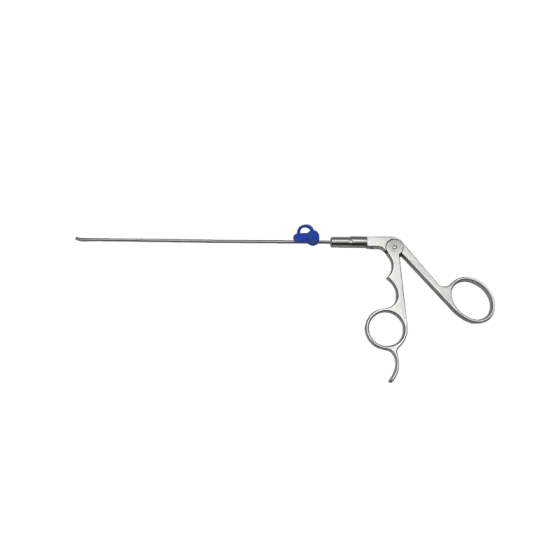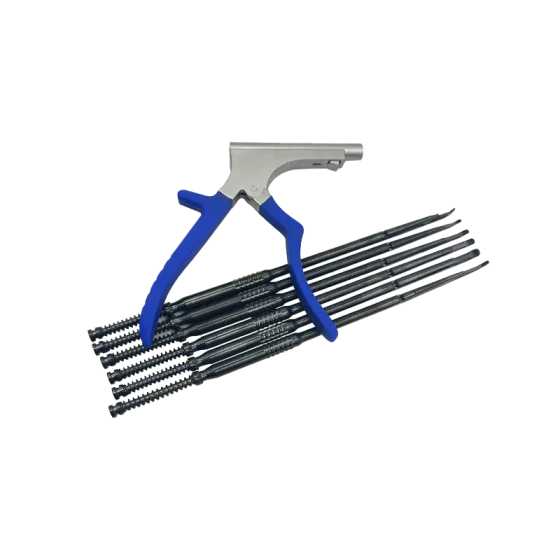
腰椎UBE微创手术止血技术
Spinal Surgery Technology Analysis
Lumbar UBE Minimally Invasive Surgery Hemostasis Technology
Key Technical Points and Clinical Application Analysis of Unilateral Biportal Endoscopic Surgery
Executive Summary
Lumbar UBE (Unilateral Biportal Endoscopy) surgery, as an advanced minimally invasive technique, has been widely applied in spinal surgery. This report provides an in-depth analysis of key hemostasis technologies in UBE surgery, including preoperative assessment, intraoperative techniques, instrument selection, and special situation management.
Studies have shown that proficient mastery of hemostasis techniques is a critical factor in ensuring surgical safety and effectiveness, directly affecting patient prognosis and rehabilitation quality.
Key Findings
- Average blood loss in UBE surgery can be controlled below 20ml
- Plasma coagulation shows better hemostatic effect than traditional methods
- Tranexamic acid significantly reduces postoperative drainage volume
- "Under the lamp" technique effectively manages difficult-to-control bleeding under endoscopy
Original Article Analysis
WeChat Official Account Article Key Points
Preoperative Assessment: Patients who have undergone sacral canal block + nerve root block have more severe adhesions, increasing surgical difficulty and bleeding risk
Intraoperative Technique Importance: Intraoperative techniques are critical factors for ensuring surgical效果 and safe completion
Common Beginner Issues: Excessive dissection leading to massive bleeding and affecting surgical field visibility
Instrument Selection: Recommend front vertical water outflow arthroscope, avoid shower-type water outflow design
Special Hemostasis Technique: "Under the lamp" technique - placing radiofrequency in the lens channel while withdrawing the endoscope for hemostasis
Expert Commentary
The hemostasis techniques proposed in the original article have important clinical guiding significance. Especially the "under the lamp" technique reflects rich clinical experience. However, the article content is relatively brief, and it is recommended to combine more evidence-based medical evidence and latest technological advancements for comprehensive application.
Lumbar UBE Surgery Technology Details
Technical Principles
UBE (Unilateral Biportal Endoscopy) is a novel minimally invasive spinal technique. This technique establishes independent endoscopic and operating channels through two small incisions on one side, achieving a "vision + instrument coordination" surgical model.
Dual-channel Design Advantages
- • Endoscopic channel: Provides high-definition vision
- • Operating channel: Accommodates surgical instruments
- • Avoids "instrument conflict" issues
- • Significantly improves operational freedom
UBE Surgery Channel Layout Schematic
Clear Vision
30° high-definition endoscope provides wide-angle view with better anatomical layer recognition than microscope
Minimally Invasive & Efficient
Only 1cm incision, minimal muscle damage, patients can ambulate within 24 hours postoperatively
Gentle Learning Curve
Operation mode similar to open surgery, easy for traditional spinal surgeons to master
Indications & Contraindications
Main Indications
- • Lumbar spinal stenosis (central canal, lateral recess stenosis)
- • Lumbar disc herniation (large extrusion, sequestered type)
- • Mild lumbar spondylolisthesis (Grade I-II)
- • Discogenic low back pain
- • Foraminal stenosis
Main Contraindications
- • Severe osteoporosis
- • Multi-segment severe instability
- • Spinal tumors or infections
- • Coagulation disorders
- • Severe deformity correction needs
Surgical Hemostasis Technology Details
Hemostasis Technology Classification
Mechanical Hemostasis
Traditional surgical techniques such as compression, ligation, suturing, packing
Electrical Coagulation
Plasma (Plasma used outside spinal canal, radiofrequency used inside spinal canal)
Pharmacological Hemostasis
Antifibrinolytic drugs such as tranexamic acid
Biological Hemostatic Materials
Fluid gelatin, fibrin sealant (bone wax)
Blood Loss Statistics
"Under the Lamp" Hemostasis Technique Details
Technical Principles
When the bleeding point under the endoscope is located in the blind area or difficult to handle directly, first determine whether the position is inside or outside the spinal canal. The first step is to use fluid pressure control method, select appropriate flow rate to continuously flush the bleeding point to provide sufficient time for pre-hemostasis. Plasma electrode, bone wax, fluid gelatin, etc. can be used according to actual conditions. Note that the inflow water pressure should be maintained at an appropriate level, not too high or too low. In addition, the outflow instrument operating channel must maintain smooth water outflow.
Operation Steps
- 1. Identify bleeding point location
- 2. Determine if inside or outside spinal canal
- 3. Apply fluid pressure control
- 4. Select appropriate hemostatic method
- 5. Observe hemostasis effect
Precautions
- • Maintain proper water inflow pressure
- • Ensure smooth water outflow channel
- • Choose appropriate hemostatic materials
- • Pay attention to neuroprotection
Tranexamic Acid Application in UBE Surgery
Reduction in postoperative drainage
Reduction in theoretical blood loss
Increased thrombosis risk
Recommended Usage: Intravenous infusion of 1g tranexamic acid 15 minutes before surgery, and another 1g before laminoplasty during surgery. Studies have shown no significant difference between single and multiple administrations.
Clinical Application and Development Trends
Technical Advantages Analysis
Minimal Trauma, Fast Recovery
Only 1cm incision, minimal muscle damage, less postoperative pain
Clear and Precise Vision
High-definition endoscope provides magnified view for more precise operation
Cost-effective
Can use conventional instruments, reducing surgical costs
Development Trends
Industry Regulation and Standardization
Strengthened Regulation
- • 2024: National Health Commission strengthened minimally invasive technology supervision
- • Requires technical training and qualification certification
- • Establishes postoperative follow-up mechanism
- • Prevents technology abuse
Development Direction
- • Intelligent surgical navigation systems
- • Robot-assisted surgery
- • 3D printed personalized instruments
- • Tele-surgery technology
Expert Recommendations and Precautions
Technical Recommendations
- • Select appropriate patient indications
- •充分 preoperative assessment of bleeding risk
- • Master multiple hemostasis techniques
- • Rational use of hemostatic drugs
- • Closely monitor postoperative complications
Risk Warnings
- • Nerve injury risk
- • Epidural hematoma
- • Infection complications
- • Thrombosis formation
- • Surgical failure requiring revision
Training Requirements
- • Theoretical knowledge learning
- • Simulator training
- • Animal experiment practice
- • Mentor-guided surgery
- • Continuing medical education
Patient Selection Principles
Patients Suitable for UBE Surgery
- • Symptoms lasting more than 3 months, severely affecting life
- • Clear lesions on imaging consistent with symptoms
- • Poor response to conservative treatment
- • No severe underlying diseases
- • Single or double segment lesions
Patients Not Suitable for UBE Surgery
- • Multi-segment severe instability
- • Severe osteoporosis
- • Spinal tumors or infections
- • Coagulation disorders
- • Mild or fluctuating symptoms
Conclusions and Outlook
Main Conclusions
- UBE technology is a safe and effective minimally invasive spinal technique
- Proficient hemostasis techniques are critical for surgical success
- Comprehensive application of multiple hemostasis methods achieves optimal results
- Strict patient selection and preoperative assessment are essential
Future Outlook
- Artificial intelligence-assisted surgical planning and navigation
- Robotic technology application in spinal surgery
- Development of new hemostatic materials and drugs
- Development of personalized precision medicine