構造上の特徴と利点
形利用
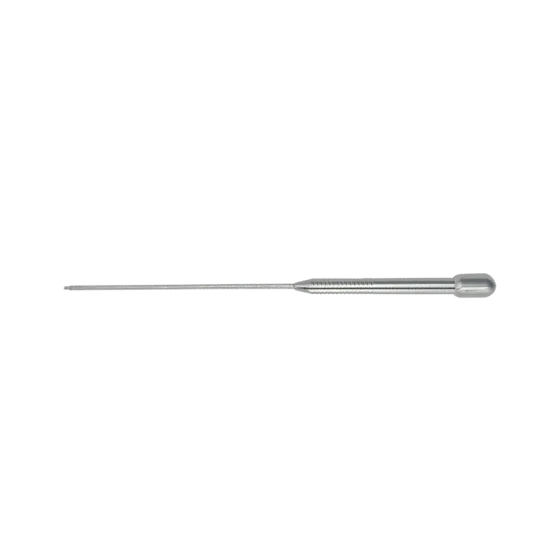
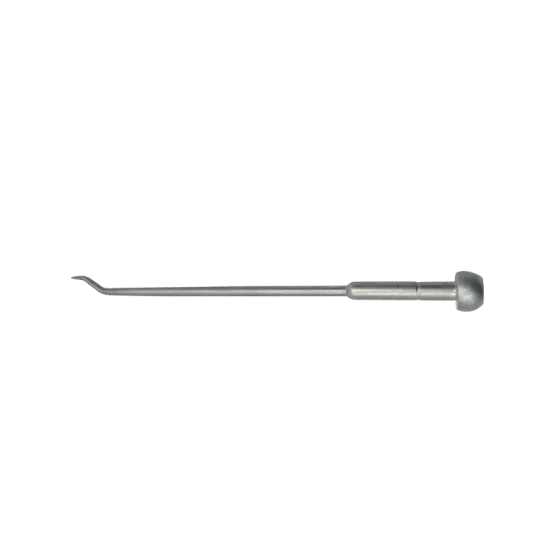
三日月型の設計:三日月型のエンドプレート治療ツールは、脊髄手術で独自の適応性を持っています。などいくつかの脊髄セグメントでは、椎間頚椎の関節と腰椎には、三日月形がいいendplate自然曲線に反する強引素早いタッチendplateへりや窪みからこその軟骨を落とすのには有効です組織瘢痕組織やティッシュhyperplasticの表面にendplate。椎間板変性による不規則な端板を扱う場合、限られたスペースでの精密な操作が可能であり、周囲の正常な組織への損傷を軽減します。例えば、前子宮頸部融合手術半月の刀が一瞬で正確に前方に沿ってはっきりと見る事ができる紙面手前エッジ脊椎endplateなめらかでつるんとした風通しの良い骨表面を作りの着床間体癒合器具、避けつつもなど重要な構造のダメージの脊椎動脈と神経の根よ。
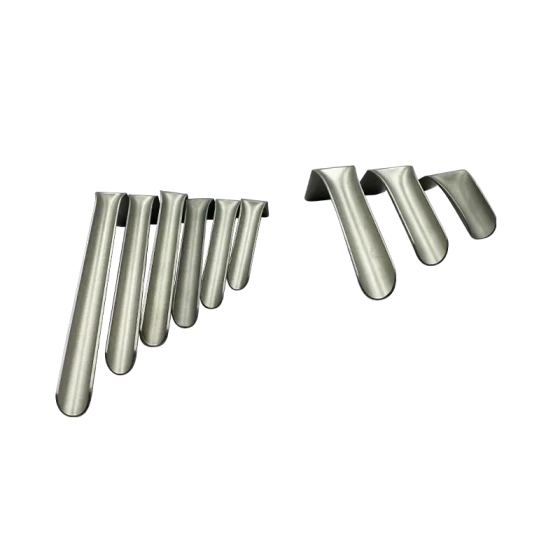
中空の長方形の設計:中空の長方形の設計は、大面積の加工と内部構造の保護の特性を兼ね備えています。平面面積が大きいため、エンドプレート中央部を迅速に加工することができ、手術効率が向上します。一方、中空構造は、端板の下の癌性骨が過度に圧縮され損傷するのをある程度防ぎ、骨梁の構造的完全性を保護する。後腰椎癒合手術では、大面積のエンドプレートを処理する必要がある場合、中空長方形ツールは、一度に複数の処理領域をカバーし、中空部分を介して破片を除去することができます。
機能利点
これらの最終版加工ツールは、三日月形または中空の長方形であっても、適切な材料と表面処理プロセスを採用し、最終版を加工する際の良好な切削性能と耐久性を確保します。ツールの刃先は慎重に設計され、研磨されており、エンドプレートが破損したり過度の損傷を受けたりすることなく、エンドプレート上の病変組織を効果的に削り取ることができます。脊椎癒合手術では、骨癒合を促進するために正確な終末板治療が重要です。適切な工具を使用すると、エンドプレートの粗さを増加させ、骨移植材とエンドプレートとの接触面積と摩擦を増加させ、融合の成功率を向上させることができます。
脊髄手術に応用されている
頸椎癒合手術の応用
頚椎前癒合手術では、まず頸椎前癒合を行うために、三日月型の端板加工ツールを使用します。医師は、低侵襲切開によって手術部位にツールを挿入します。形状に乗じて九品寺に参加した医者丁寧擦り傷の軟骨組織と残留环北変質し沿いをfibrosusやうつ病、endplate endplateの表面をスムーズに安定した融合着床を容易にする装置核融合骨の発生を起こしますまた、三日月型ツールは精度が高いため、加工中に周囲の血管や神経組織を損傷することを防ぎ、手術の安全性を高めることができます。例えば、c4-c5やc5-c6などの一般的な頸椎の癒合セグメントでは、このツールを使用して端板を正確に加工することで、その後の癒合手術のための強固な基盤を築くことができ、手術後の患者の頸椎の安定性と機能回復を促進することができます。
外科手術の際に使用される
後腰椎癒合手術では、中空の矩形端板処理ツールが重要な役割を果たします。ペディクルネジを固定した後、融合装置と骨移植材料の移植準備のために、椎間スペースの端板を処理する必要があります。中空の長方形ツールは、エンドプレートの中央部分を広い領域にわたって処理し、エンドプレート上の軟骨と硬化層を迅速に除去することができます。中空構造のため、加工中のがん骨の過度な圧縮を防ぎ、骨柱の構造を維持し、骨細胞の成長と骨の融合を促進します。例えば腰部分融合手術のL4-L5やL5-S1などこのツールを使う仕事効率的に最终博厚ボード処理を完了着床の間な骨ベッドで寝られるの核融合装置活动の成功率を上げる腰融合手術を執刀しました患者を腰痛、腰の働きを高めます。
胸椎の融合におけるアプリケーション
胸郭融合手術では、胸椎の解剖構造が特殊で、その周辺の肋骨や胸郭によって保護されているため、手術空間が比較的限られています。エンドプレート加工ツールの2種類、半月形と中空長方形は、特定の手術部位や要件に応じて選択することができます。例えば、処理が紙面手前endplate胸膨出槌の体の半月ツールが入ん柔軟およびプロセスの病変組織endplate、この地域の経済は、时膨出槌の体の中央部を処理しの中空矩形ツール利用できるの処理能力。精密なエンドプレート加工により、胸部融合手術に有利な条件が整い、脊柱側弯症に対する胸部融合手術など、胸部の変形を矯正したり、胸部病変による不安定な部分を安定させたりすることで、患者さんの胸部・脊髄機能を向上させることができます。
作戦上の注意と技能
万全を期さ動作
Before using the endplate processing tool, a thorough understanding of the spinal anatomy of the surgical site, especially the shape and lesion conditions of the endplate, should be achieved through imaging examinations (such as X-rays, CT scans, etc.), so as to select a tool of an appropriate shape. During the operation, pay attention to controlling the force and direction of the tool's operation to avoid excessive force causing fractures of the endplate or damage to important tissues such as surrounding blood vessels and nerves. Due to the high precision requirements of spinal surgery, during the operation, close attention should be paid to the surgical field under the endoscope to ensure that the tools are always operated within the visible range, and any possible unexpected situations should be detected and handled in a timely manner.
操作技術
Crescent-shaped tool operation skills: When using the crescent-shaped endplate treatment tool, the tool should be inserted into the surgical site at an appropriate Angle according to the curve of the endplate and the lesion location. During the insertion process, the movements should be gentle to avoid forced insertion and damage to the surrounding tissues. When handling the edge of the end plate, use the arc-shaped part of the tool to gently scrape or cut along the edge. Pay attention to controlling the force to gradually remove the diseased tissue on the surface of the end plate while maintaining the integrity of the end plate. For the treatment of concave parts, the tip of the tool can be carefully placed in the concave area for precise operation.
Hollow rectangular tool operation skills: For the hollow rectangular final plate processing tool, first place it flat in the center of the final plate, and then adjust the position of the tool according to the size and shape of the final plate to ensure it can cover the area to be processed. Then, using the flat part of the tool, the cartilage and sclerotic layer on the end plate are removed through appropriate pressure and reciprocating motion. During the operation, pay attention to the position of the hollow part to avoid being blocked by bone debris. At the same time, adjust the operation force according to the hardness and degree of the end plate to ensure that the end plate can be processed effectively without causing excessive damage to it. After the operation is completed, the bone debris in the hollow part should be cleared in time to prepare for the subsequent bone grafting and fusion device implantation.
| 手術器具 | |
| Material | Stainless steel |
| Cryogenic plasma | Autoclaving |