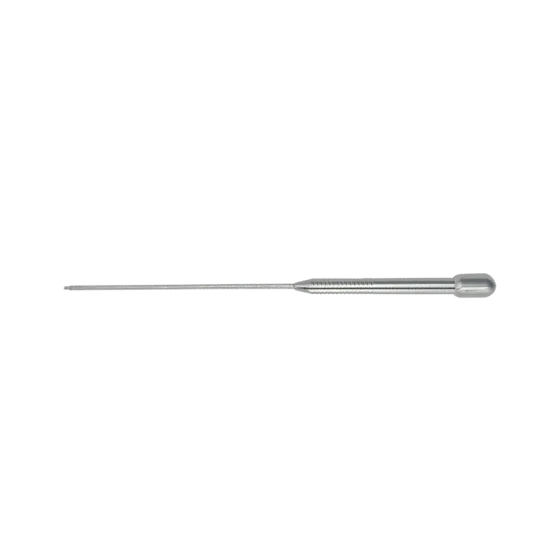
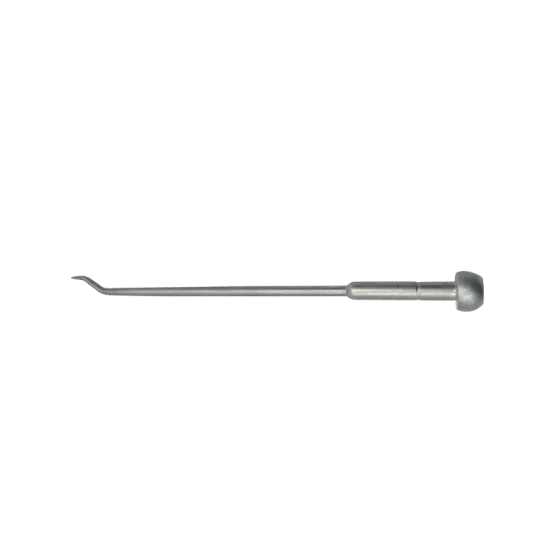
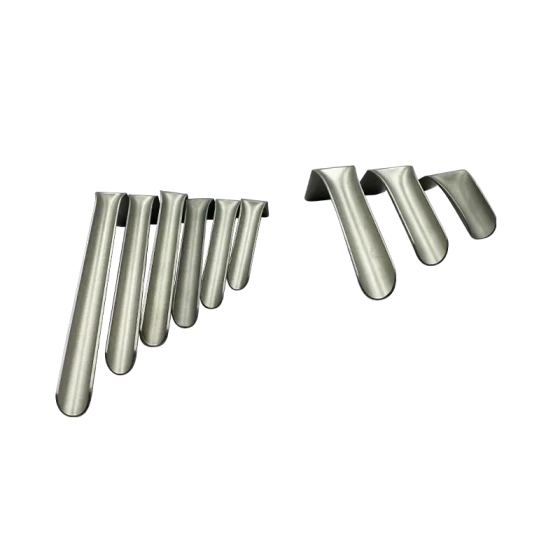
Structural features and advantages
Shape advantage
Crescent-shaped design: The crescent-shaped endplate treatment tool has unique adaptability in spinal surgery. In some spinal segments, such as the intervertebral joints of the cervical and lumbar vertebrae, the crescent shape can better conform to the natural curve of the endplate, precisely touch the edges and depressions of the endplate, and is very effective in removing cartilage tissue, scar tissue or hyperplastic tissue on the surface of the endplate. When dealing with irregular endplates caused by intervertebral disc degeneration, this shape enables precise manipulation within a limited space and reduces damage to the surrounding normal tissues. For instance, in anterior cervical fusion surgery, the crescent-shaped knife can precisely clear along the anterior and lateral edges of the vertebral endplate, creating a smooth and well-ventilated bone surface for the implantation of the fusion device, while avoiding damage to important structures such as the vertebral artery and nerve roots.
Hollow rectangular design: The hollow rectangular design combines the characteristics of large-area processing and protecting the internal structure. Its large planar area enables rapid processing of the central part of the end plate, thereby enhancing the surgical efficiency. Meanwhile, the hollow structure can to a certain extent prevent the cancellous bone beneath the endplate from being overly compressed and damaged, protecting the structural integrity of the trabeculae. In posterior lumbar fusion surgery, when large-area endplates need to be processed, the hollow rectangular tool can cover multiple processing areas at one time and remove debris through the hollow part, reducing the residue in the surgical area and providing a good foundation for subsequent bone graft fusion.
Functional advantages
These final plate processing tools, whether crescent-shaped or hollow rectangular, all adopt appropriate materials and surface treatment processes to ensure good cutting performance and durability when processing final plates. The cutting edge of the tool has been carefully designed and polished, which can effectively scrape off or cut the diseased tissue on the end plate without causing the end plate to break or suffer excessive damage. In spinal fusion surgery, precise endplate treatment is crucial for promoting bone fusion. Appropriate tools can increase the roughness of the endplate, enhance the contact area and friction between the bone graft material and the endplate, thereby improving the success rate of fusion.
Application scenarios in spinal surgery
Application of cervical spine fusion surgery
In anterior cervical fusion surgery, a crescent-shaped endplate processing tool is first used to process the endplates of the cervical vertebrae. The doctor inserts the tool into the surgical site through a minimally invasive incision. By taking advantage of its shape, the doctor carefully scrapes the cartilage tissue and the residue of the degenerated annulus fibrosus along the edge and depression of the endplate, making the surface of the endplate smoother and facilitating the stable implantation of the fusion device and the occurrence of bony fusion. Meanwhile, due to the precision of the crescent-shaped tool, it can prevent damage to the surrounding blood vessels and nerve tissues during the processing, thereby enhancing the safety of the surgery. For instance, in common cervical fusion segments such as C4-C5 or C5-C6, using this tool to precisely process the endplate can lay a solid foundation for subsequent fusion surgeries and promote the stability and functional recovery of the patient's cervical vertebrae after the operation.
Application in lumbar fusion surgery
In posterior lumbar fusion surgery, the hollow rectangular endplate processing tool plays a significant role. After the pedicle screw fixation, the intervertebral space endplate needs to be processed to prepare for the implantation of the fusion device and bone graft materials. The hollow rectangular tool can process the central part of the end plate over a large area and quickly remove the cartilage and hardened layer on the end plate. Its hollow design can prevent cancellous bone from being overly compressed during processing, maintain the structure of trabeculae, and facilitate the growth of bone cells and bone fusion. For instance, in lumbar segmental fusion surgeries such as L4-L5 or L5-S1, the use of this tool can efficiently complete the final plate processing work, provide an ideal bone bed for the implantation of fusion devices, increase the success rate of lumbar fusion surgeries, relieve patients' lower back pain, and improve lumbar function.
The application in thoracic vertebrae fusion
In thoracic fusion surgery, due to the relatively special anatomical structure of the thoracic vertebrae, which are protected by the ribs and thorax around them, the surgical operation space is relatively limited. Two types of end plate processing tools, half-moon-shaped and hollow rectangular, can be selected according to the specific surgical site and requirements. For instance, when processing the lateral endplate of the thoracic vertebral body, the crescent-shaped tool can flexibly enter and process the lesion tissue of the endplate in this area, while when processing the central part of the vertebral body, the hollow rectangular tool can take advantage of its large-area processing capacity. Through precise endplate processing, favorable conditions have been created for thoracic fusion surgery, which is conducive to correcting thoracic deformities (such as thoracic fusion for scoliosis) or stabilizing unstable segments caused by thoracic lesions, and improving the thoracic and spinal functions of patients.
Operation precautions and skills
Precautions for Operation
Before using the endplate processing tool, a thorough understanding of the spinal anatomy of the surgical site, especially the shape and lesion conditions of the endplate, should be achieved through imaging examinations (such as X-rays, CT scans, etc.), so as to select a tool of an appropriate shape. During the operation, pay attention to controlling the force and direction of the tool's operation to avoid excessive force causing fractures of the endplate or damage to important tissues such as surrounding blood vessels and nerves. Due to the high precision requirements of spinal surgery, during the operation, close attention should be paid to the surgical field under the endoscope to ensure that the tools are always operated within the visible range, and any possible unexpected situations should be detected and handled in a timely manner.
Operation skills
Crescent-shaped tool operation skills: When using the crescent-shaped endplate treatment tool, the tool should be inserted into the surgical site at an appropriate Angle according to the curve of the endplate and the lesion location. During the insertion process, the movements should be gentle to avoid forced insertion and damage to the surrounding tissues. When handling the edge of the end plate, use the arc-shaped part of the tool to gently scrape or cut along the edge. Pay attention to controlling the force to gradually remove the diseased tissue on the surface of the end plate while maintaining the integrity of the end plate. For the treatment of concave parts, the tip of the tool can be carefully placed in the concave area for precise operation.
Hollow rectangular tool operation skills: For the hollow rectangular final plate processing tool, first place it flat in the center of the final plate, and then adjust the position of the tool according to the size and shape of the final plate to ensure it can cover the area to be processed. Then, using the flat part of the tool, the cartilage and sclerotic layer on the end plate are removed through appropriate pressure and reciprocating motion. During the operation, pay attention to the position of the hollow part to avoid being blocked by bone debris. At the same time, adjust the operation force according to the hardness and degree of the end plate to ensure that the end plate can be processed effectively without causing excessive damage to it. After the operation is completed, the bone debris in the hollow part should be cleared in time to prepare for the subsequent bone grafting and fusion device implantation.